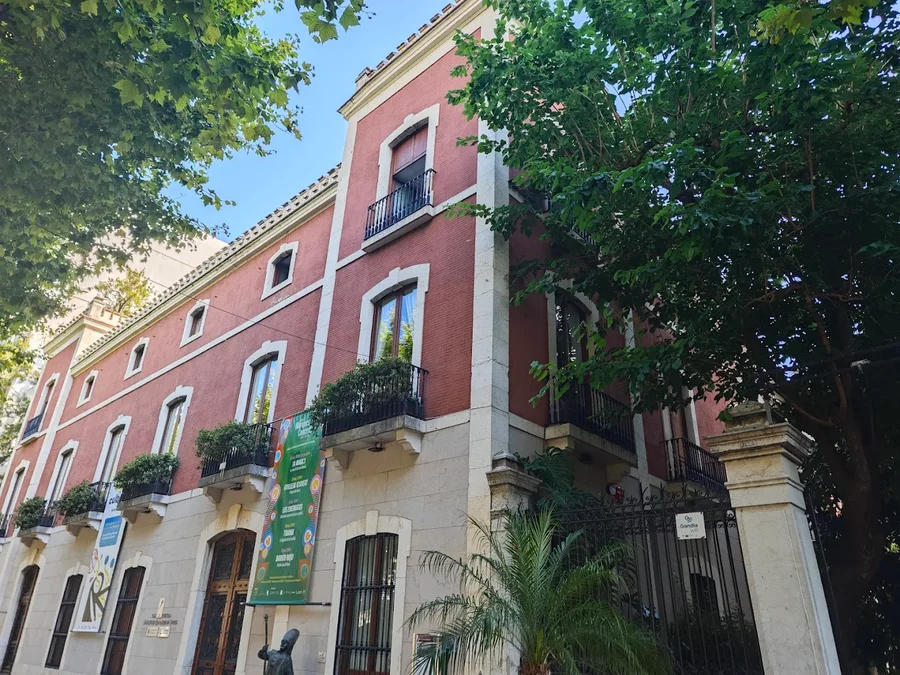

Want to learn all about the Fallas? Visit the Gandia Fallas Museum. Located in the city centre, this small museum shows you the magic of this famous Valencian festival.
You will see the famous ninots, traditional costumes and learn how the Fallas monuments are made.
Intrigued? Keep reading to discover all the secrets kept inside this fascinating museum and how it can make your visit to Gandia unforgettable.
History and Origins
The Fallas originated in an old custom of 18th-century Valencian carpenters. These artisans burned old objects and leftover wood at the arrival of spring, on the eve of Saint Joseph’s Day, their patron saint.
Over time, this practice evolved into the creation of satirical figures representing characters or situations from everyday life.
The museum explains this evolution, showing how the early bonfires became the impressive fallas we know today. You can see how the festival has changed over the centuries, adapting to the times while keeping its critical and festive essence.
A Tour of the Museum
The “Pardoned Ninots” Room
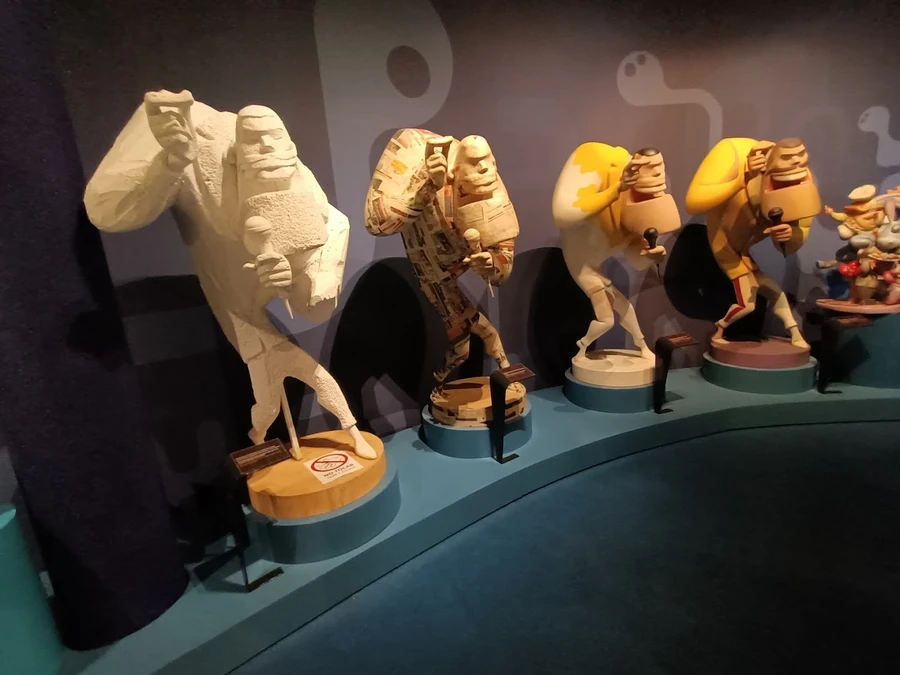
In this room you will find a collection of Fallas figures called “ninots indultats”. These are the ninots that are saved each year from being burned during the Fallas.
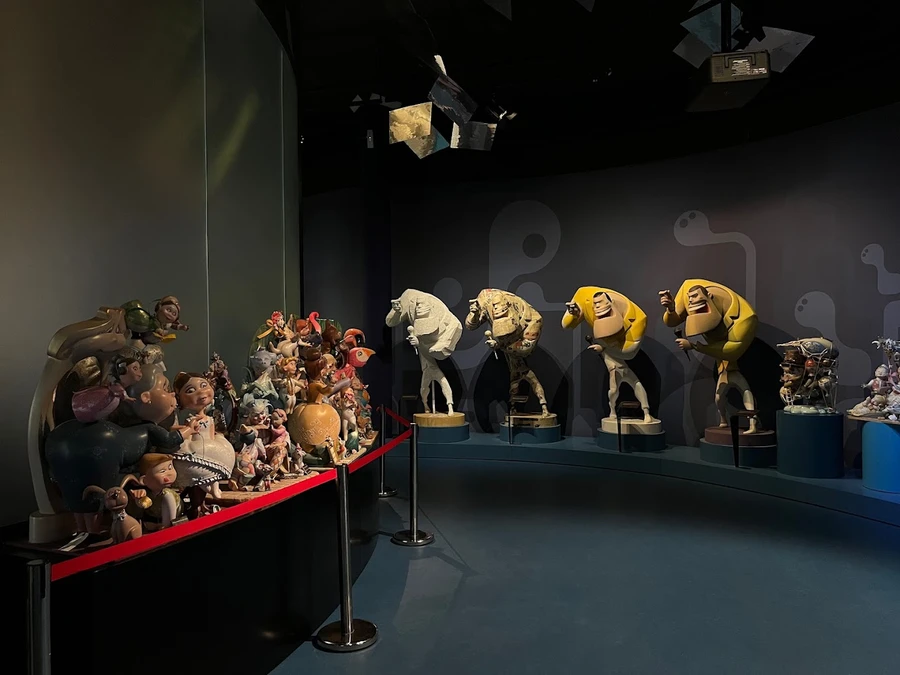
What will you see here?
-
Fallas figures from different periods.
-
The evolution of Fallas art over time.
-
Representations of social, political and cultural themes from different eras.
Why is it important?
-
It shows the history of Fallas art in one place.
-
It lets you see details up close that you normally do not notice during the festival.
-
It reflects how society and Fallas art have changed over time.
As you walk through this room, you can observe how construction techniques, artistic styles and the themes represented in the Fallas have evolved over the years.
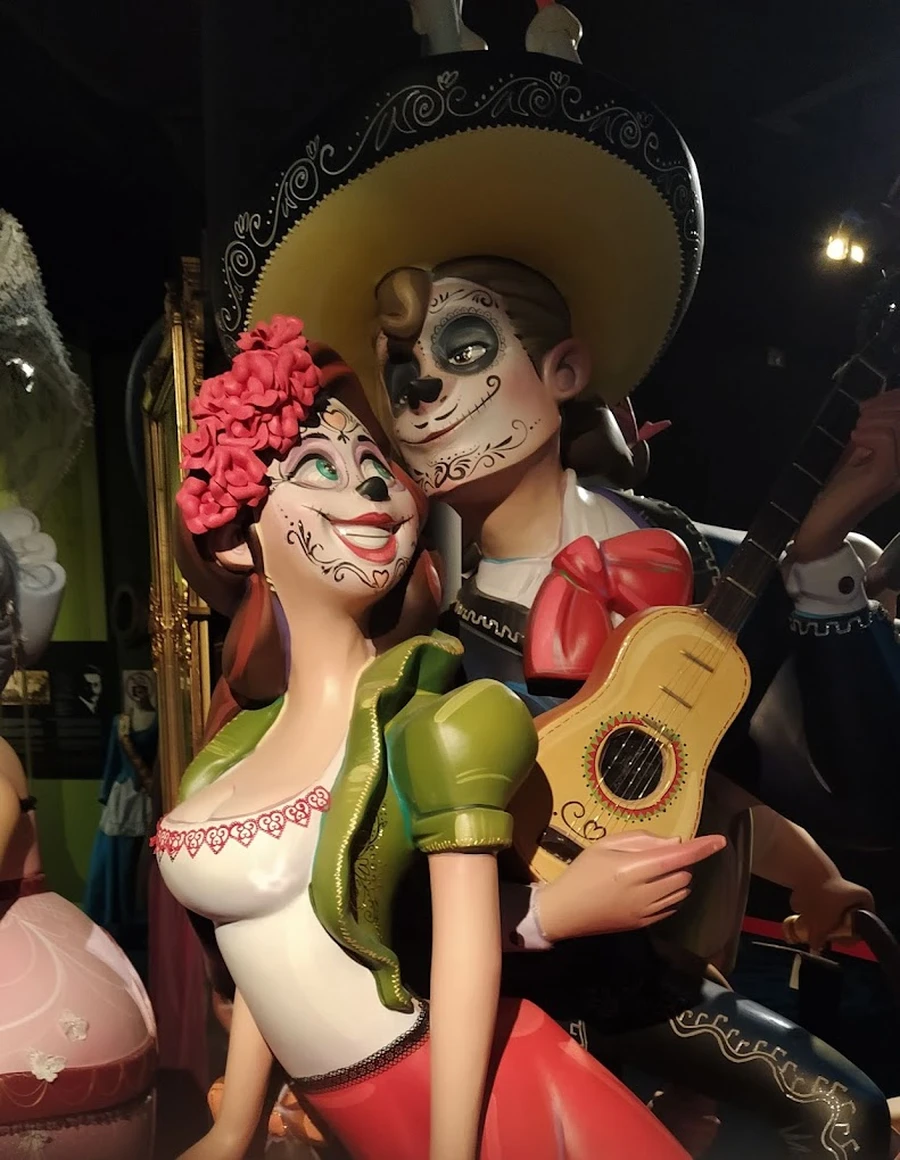
It is a unique opportunity to appreciate the craftsmanship and cultural meaning behind each figure.
The Process of Creating a Falla
In this section of the museum, you will see step by step how a falla is built. The process is complex and takes several months of work.
These are the main stages you can observe:
-
Design: you will see the initial sketches where artists set out their ideas.
-
Structure: you will observe how the skeleton of the falla is built with wood and wire.
-
Modelling: you will learn how the figures are shaped, either with traditional clay or modern polystyrene.
-
Moulds and reproduction: you will see how moulds of the figures are created and filled with cartapesta to make the final pieces.
-
Finishing: you will discover how the figures are painted and decorated to bring them to life.
This exhibition will help you understand why the fallas are so impressive and why creating them requires so much skill and time.
You may be surprised to learn that all this work is done for monuments that will only stand for a few days before being burned during the festival.
Traditional Clothing
In this part of the museum, you will discover the rich history and beauty of traditional Fallas clothing.
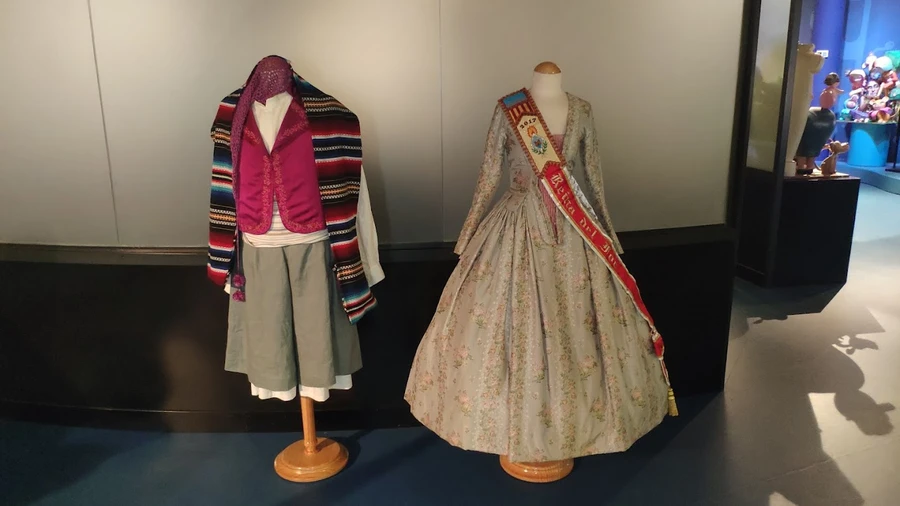
Here is what you will find:
- Historical evolution:
You will see costumes from the oldest examples to current designs.
-
You will be able to observe how styles have changed over the years.
-
Materials and techniques:
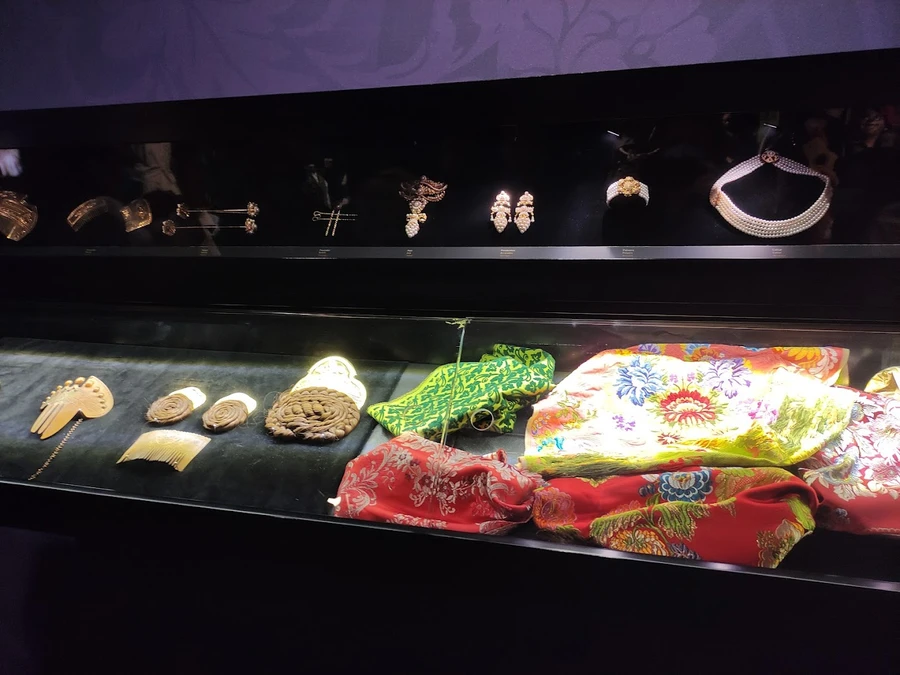
You will appreciate the quality of materials such as natural silks and gold embroidery.
-
You will discover the craft techniques used in their making.
-
Types of clothing:
You will learn about the different outfits worn by falleras and falleros.
-
You will see the variety of accessories: combs, mantillas, jewellery and more.
-
Cultural meaning:
You will learn what these outfits represent in Valencian culture.
-
You will understand how they reflect the identity and traditions of the region.
-
Social changes:
You will observe how changes in Valencian society are reflected in the evolution of the costumes.
- You will see how traditions have adapted to modern times.
The Virtual Mascleta
This experience lets you immerse yourself in one of the most emblematic events of the Fallas without leaving the museum.
The mascleta is a unique pyrotechnic display, characteristic of the Fallas festival. Unlike other fireworks, the mascleta stands out for its impressive sound and rhythm rather than its visual effects.
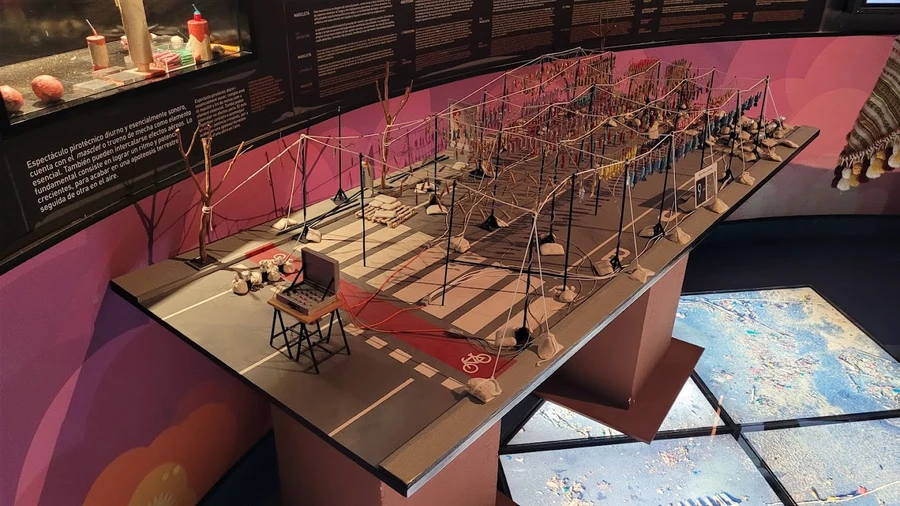
When you take part in this experience, you put on virtual-reality glasses and headphones. Suddenly, you are in the middle of Valencia’s Town Hall Square, surrounded by the expectant crowd.
You will hear the roar of firecrackers and rockets, feel vibrations in your body and see smoke and explosions around you, all without the risks associated with the real event.
The experience faithfully recreates the characteristic rhythm of the mascleta. You will feel the intensity gradually rise, taking you through a sensory journey that culminates in the famous “terremoto”, the deafening climax that marks the end of the display.
Practical Information
The museum is open on Tuesdays, Thursdays, Fridays and Saturdays from 9:00 to 14:00 and from 16:00 to 19:00. It is closed on Wednesdays, Sundays and Mondays.
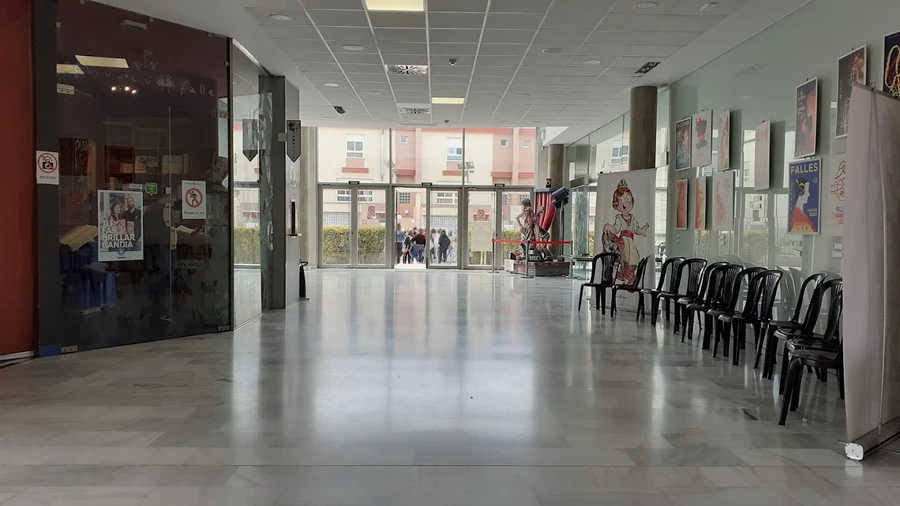
Admission is EUR5 per person. Guided tours are available for groups of 6 or more people, and audio guides are available for smaller groups.
It is advisable to call in advance to confirm opening hours and guided-tour availability. The museum is accessible for people with reduced mobility and is about a 15-minute walk from the Ducal Palace of Gandia.
Phone: 960 80 55 85
Why You Should Not Miss It
Visiting the Gandia Fallas Museum is like having a VIP pass to the world of the Fallas. You will leave with a much better understanding of this special festival, declared Intangible Cultural Heritage of Humanity by UNESCO.
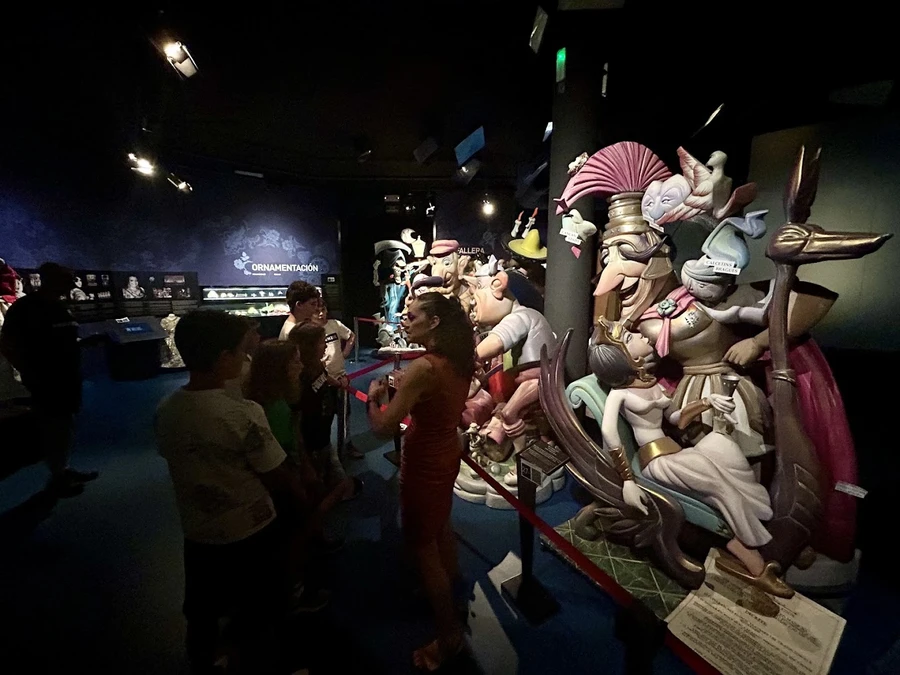
If you visit Gandia during the Fallas, I recommend starting at the museum. It will help you appreciate everything you see in the streets much more. And if you visit at any other time of year, it is your chance to experience a little of the Fallas spirit out of season.