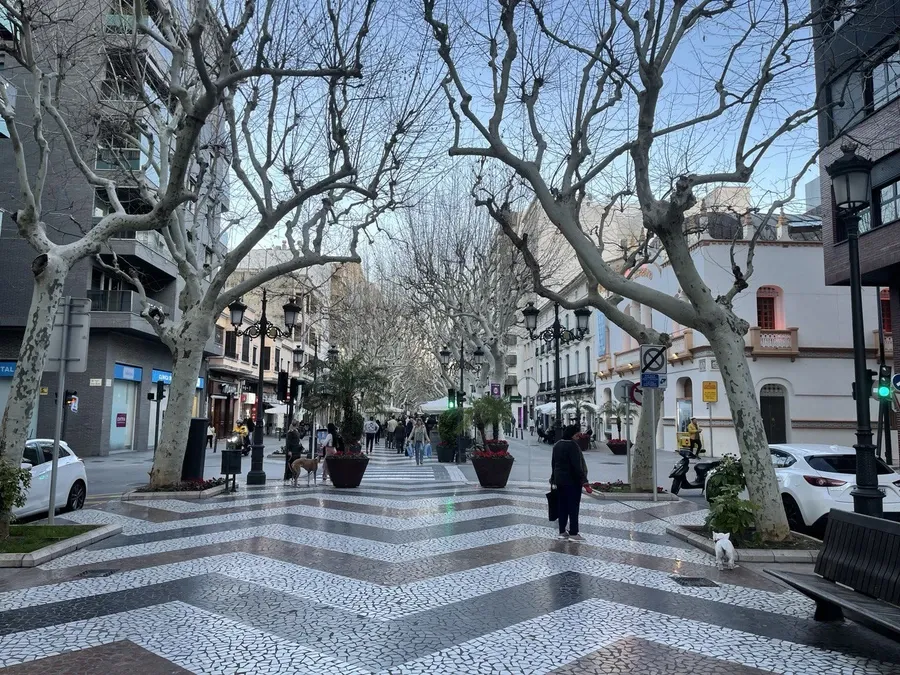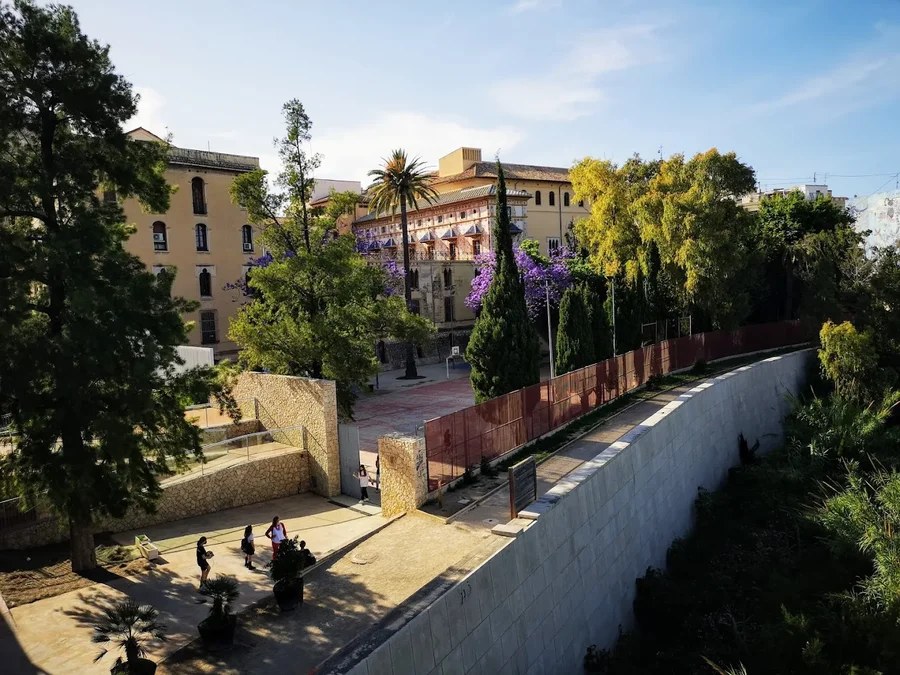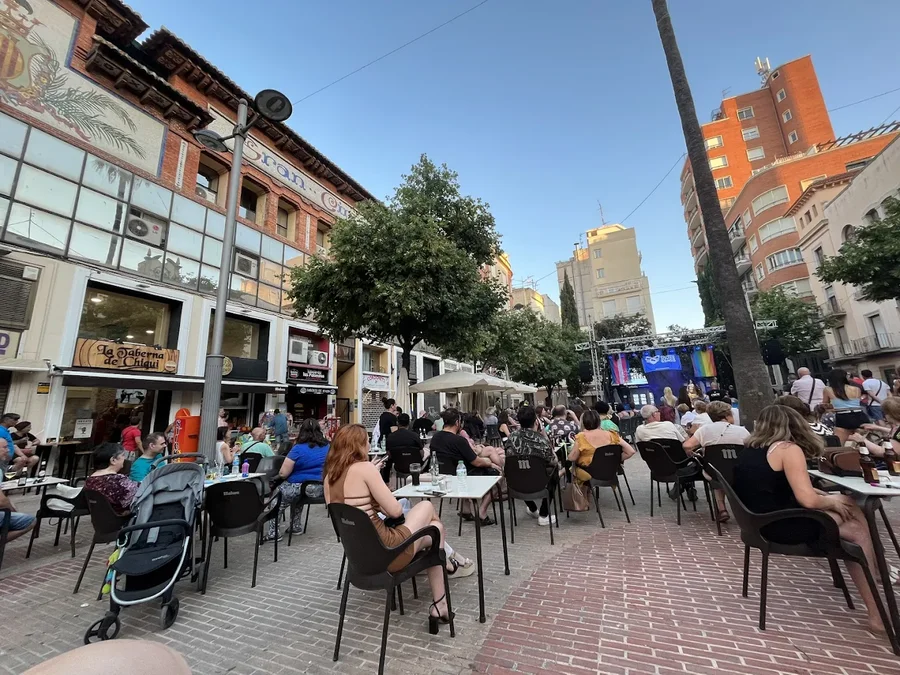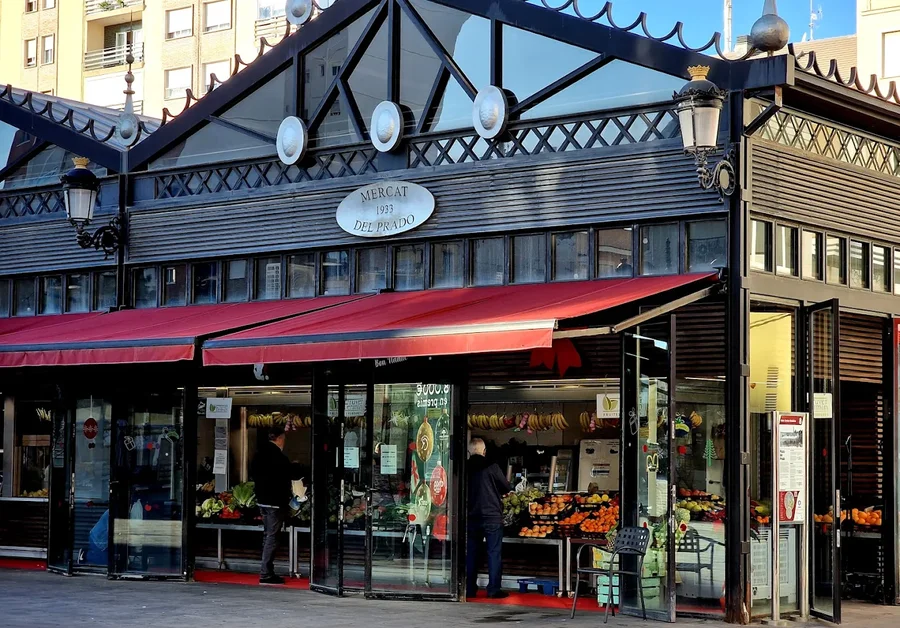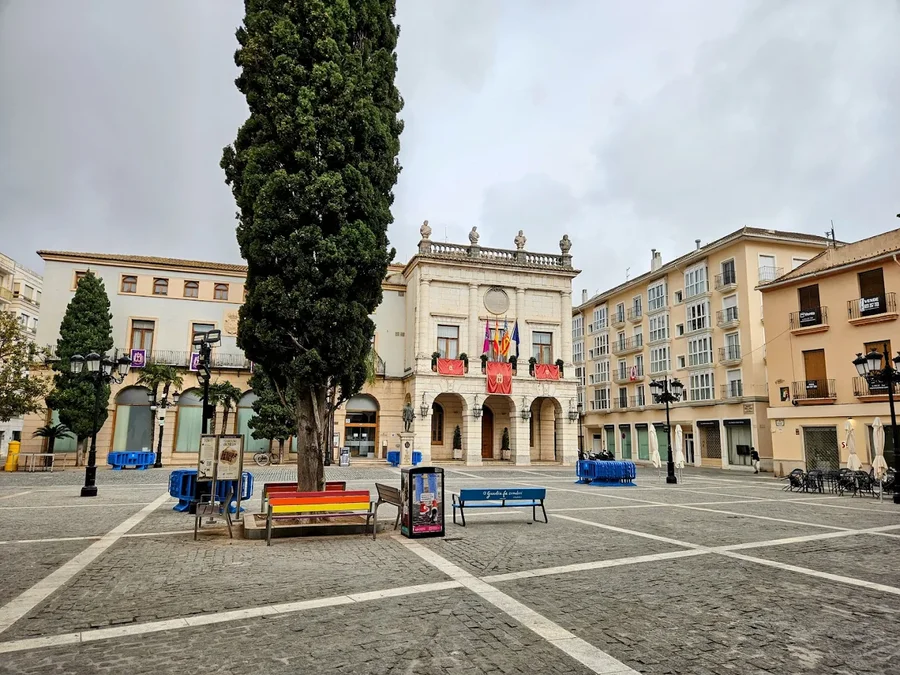

In this article, I will guide you through the best-kept secrets of Gandia Town Hall Square.
You will discover the essential events held here, and I will give you practical tips to make your visit unforgettable.
A Little History: From Market Square to Main Square
Gandia Town Hall Square is like an open book of local history. If we could go back in time, we would find a bustling market full of colours, smells and the constant murmur of traders and shoppers.
Yes, this square was originally Plaza del Mercado, the city’s commercial epicentre until 1965.
But history did not stop there, and this square witnessed the political changes Spain went through:
-
During the Second Republic, it adopted the name Plaza de la Republica, reflecting the ideals of the time.
-
With the arrival of Francoism, it did not escape a name change and became Plaza del Caudillo. For those unfamiliar with Spanish history, “Caudillo” was the title given to the dictator Francisco Franco.
-
With the arrival of democracy, it was renamed Plaza de la Constitucion in honour of the new political system.
-
Finally, the current official name was chosen: Plaza Mayor. Be careful, though: if you ask a local for Plaza Mayor, they may direct you to a shopping centre. For Gandia residents, this place will always be the Town Hall Square.
Interestingly, the falla set up here every year is still called Falla del Mercado, a nostalgic nod to the square’s origins. It is fascinating how names can tell so many stories.
How to Get There
Getting to Gandia Town Hall Square is very easy, but let me give you a few tips so your visit is as comfortable as possible.
If You Arrive by Train
As soon as you leave the station, look for Calle Magistrado Catala. It is easy to recognise because there you will find a real gem for railway lovers: the locomotive from the old Alcoy-Gandia train.
Follow this street and, before you know it, you will be in the square.
For Those Who Prefer the Car
If you enjoy the freedom of travelling by car, I recommend parking in the open lot opposite Gregorio Mayans high school. From there, a pleasant walk will take you straight to the heart of the city.
You will also avoid the headache of looking for parking in the historic centre.
Using Public Transport
-
La Marina, the local bus, will leave you nearby, with its closest stop opposite the train station.
-
If you choose L’Urbanet, line 3 is your best option. It has a stop just behind the square. Although it is called “Ayuntamiento”, do not get confused: that is the one you need.
The Town Hall
When you are in the square, it is impossible not to notice the imposing Town Hall building. It is like a time capsule that takes us back to 1781, during the reign of Charles III.
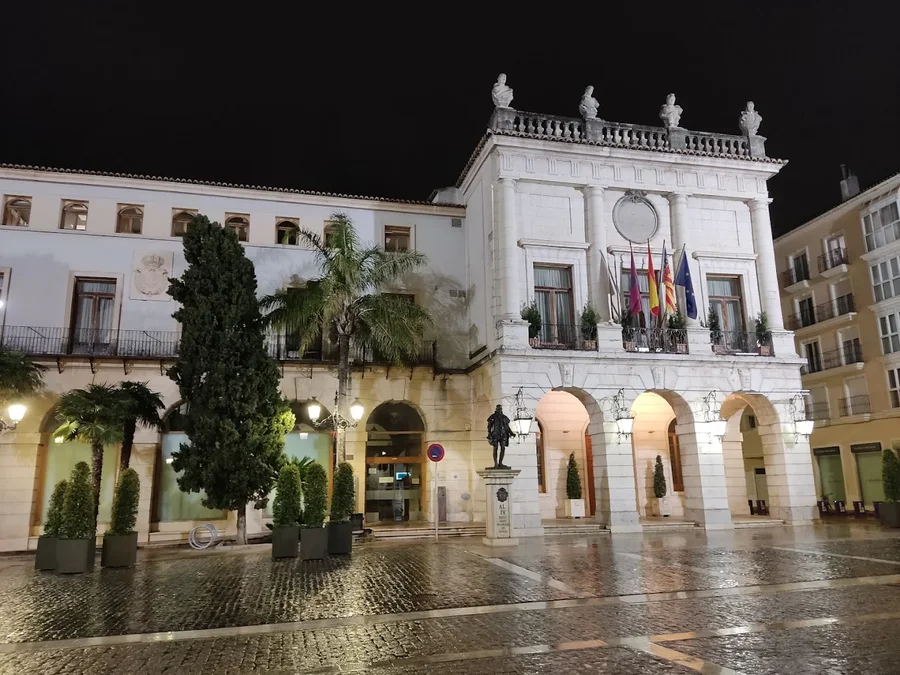
The neoclassical facade is the only part that remains from the original building, but it is worth stopping to admire it.
Look at the upper section: there you will find the four virtues that, according to tradition, every good ruler should have: temperance, fortitude, justice and prudence.
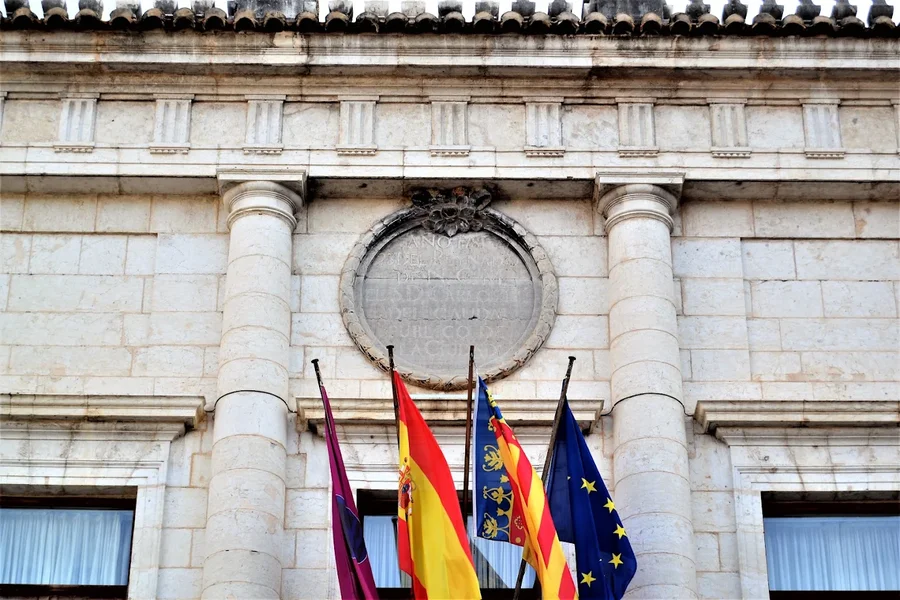
It is like a permanent reminder for local politicians, don’t you think?
The rest of the building is more modern and dates from 1982. It was part of an urban renewal project that changed the face of this part of the city. Some old houses were demolished to open the current streets of Arcos and Plaza de la Villa.
The Collegiate Church
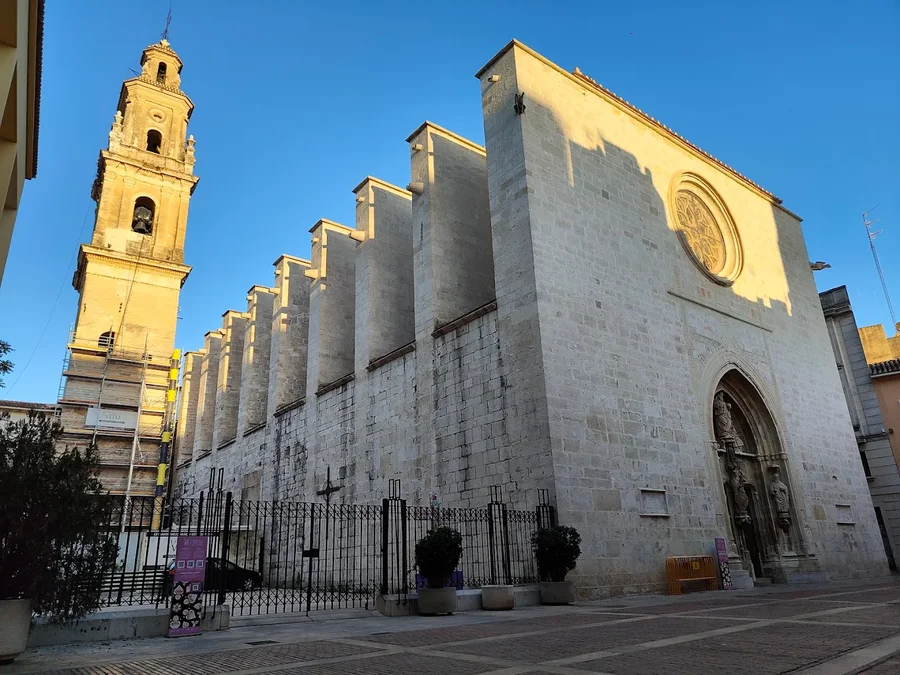
Right next to the Town Hall, as if competing for attention, stands the Collegiate Church. This religious building deserves its own article, so I will simply say that it is essential on your visit.
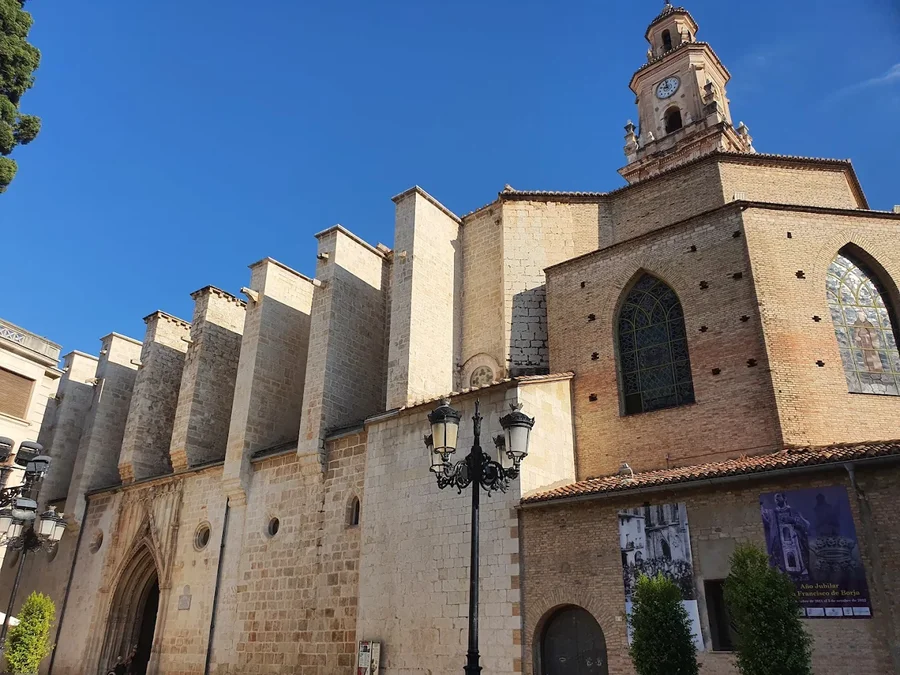
It represents spiritual power, in contrast with the earthly power of the Town Hall.
Together, these two buildings tell us how society was organised in past centuries.
The Statue of Francis Borgia
Until recently, in the centre of the square you could find a small garden presided over by the statue of Francis Borgia, the 4th Duke of Gandia.
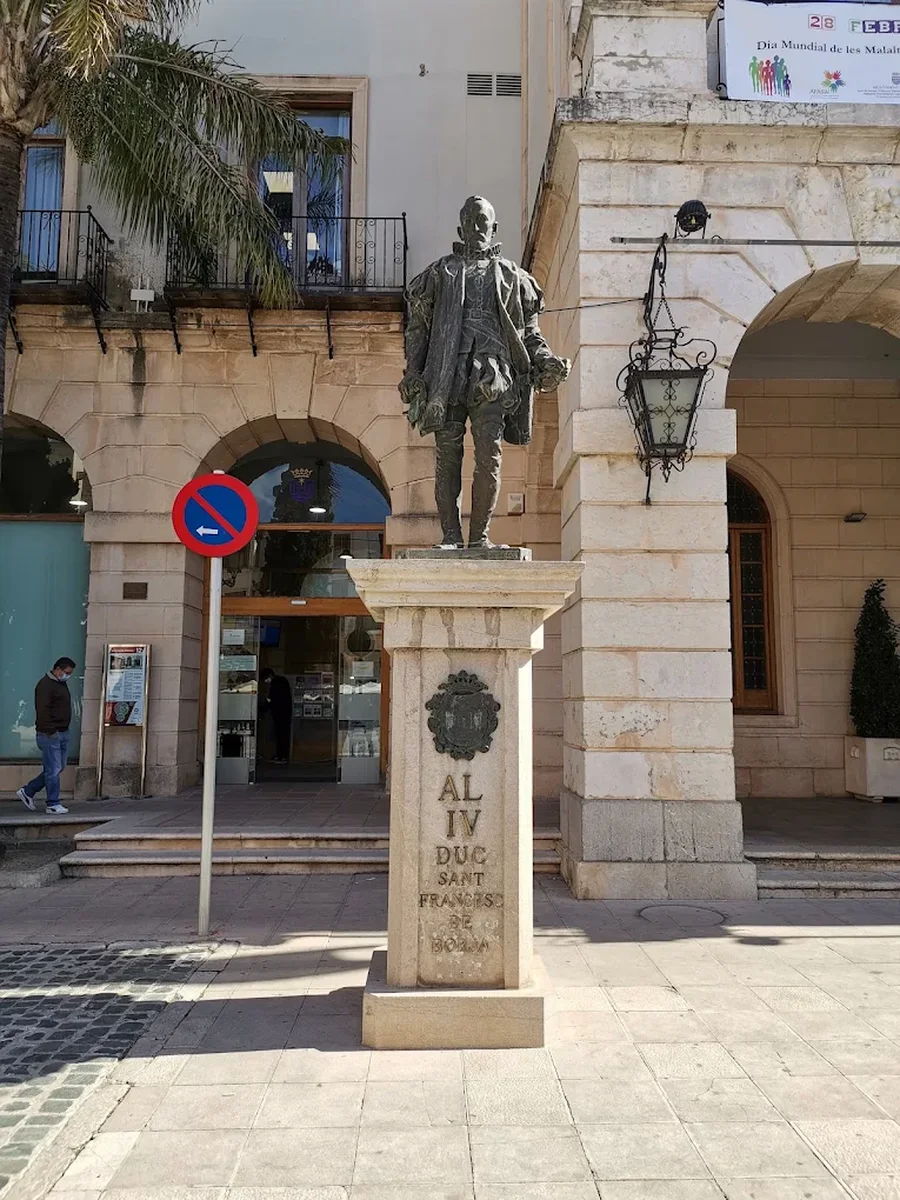
He was not just any nobleman: he was a key figure in the Society of Jesus in the 16th century and is the patron saint of the city.
Since 2012, Francis Borgia has changed location. He now “stands guard” in front of the Town Hall, like a silent watcher of municipal life.
In his place, at the centre of the square, a tree has been planted which, let’s be honest, does not have the same visual impact as the statue.
Other Corners of the Square
Town Hall Square is not just the municipal building. Other elements give it life and character:
-
Opposite the Town Hall, look at the pretty building with arches. Today it houses several bars, making it a meeting point for locals and visitors. It is the perfect place to have a drink while watching people come and go in the square.
-
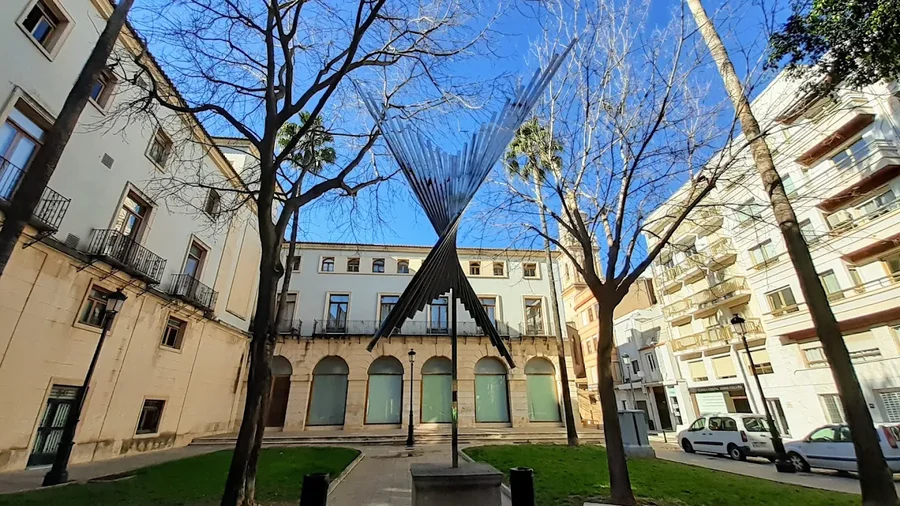
If you need a break from so much walking, look for the small garden hidden behind the Town Hall. It is ideal for resting and processing everything you have seen.
The Fallas
If you are lucky enough to visit Gandia during the Fallas, do not miss the transformation of this square. Falla del Mercado, which is set up here, usually competes in the special category, the most prestigious one.
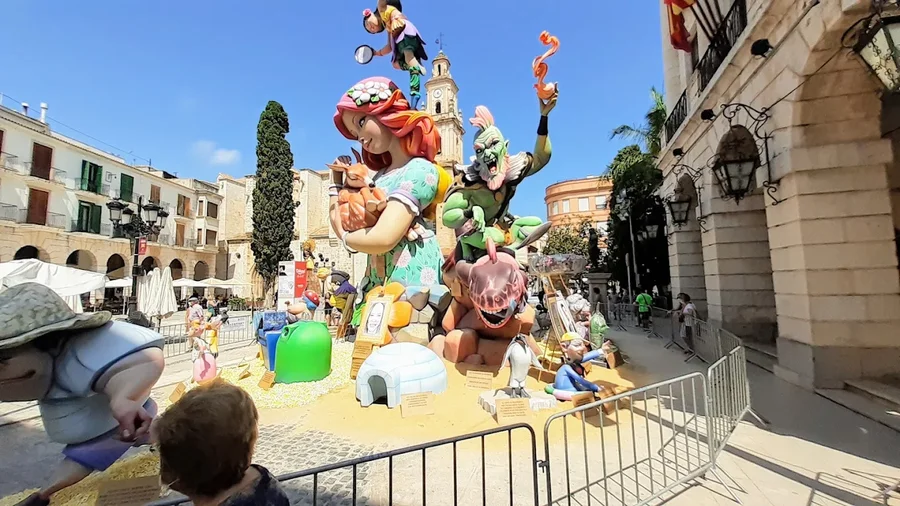
It stands alongside other famous fallas in the city, such as Prado, Luis Belda and Corea.
On the day of the crema, when the fallas are burned, this square fills completely. It is one of those magical moments when you can feel the heartbeat of the city, with residents gathered to celebrate their most emblematic festival.
Final Thoughts
Gandia Town Hall Square may not be the largest or most spectacular square you have ever seen. But what it lacks in size or decoration, it more than makes up for in history and in its role as the city’s nerve centre.
Think about it: within just a few metres you have the Town Hall, the Collegiate Church and, a stone’s throw away, the magnificent Ducal Palace. It is as if Gandia’s historical essence had been concentrated in this small space.