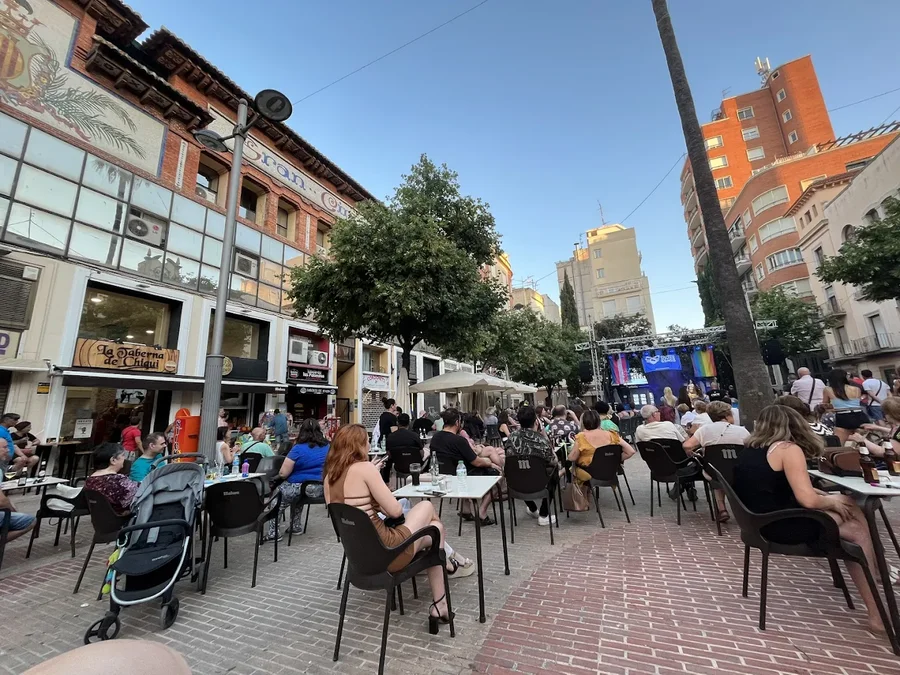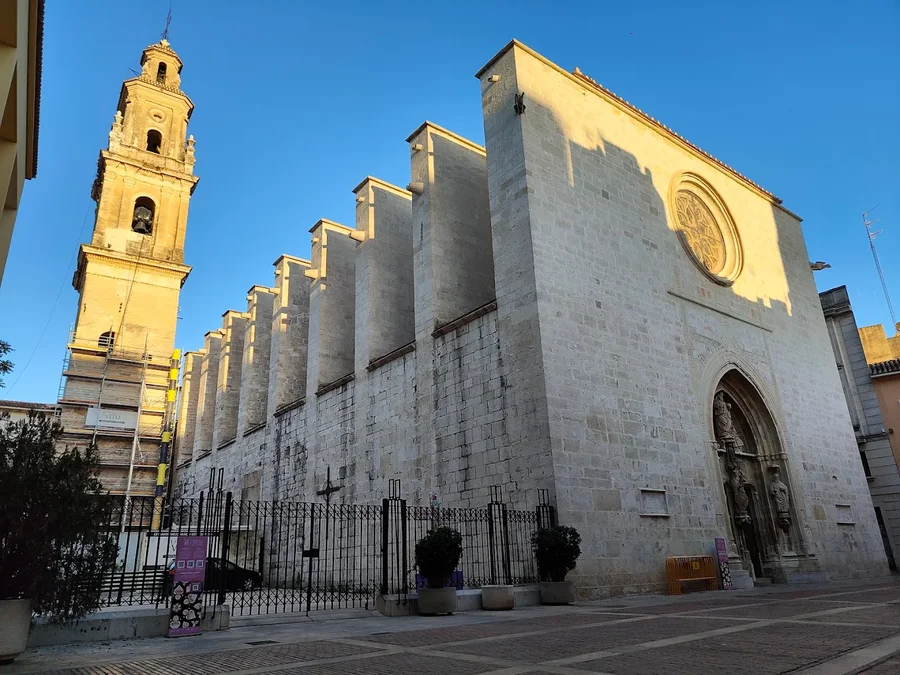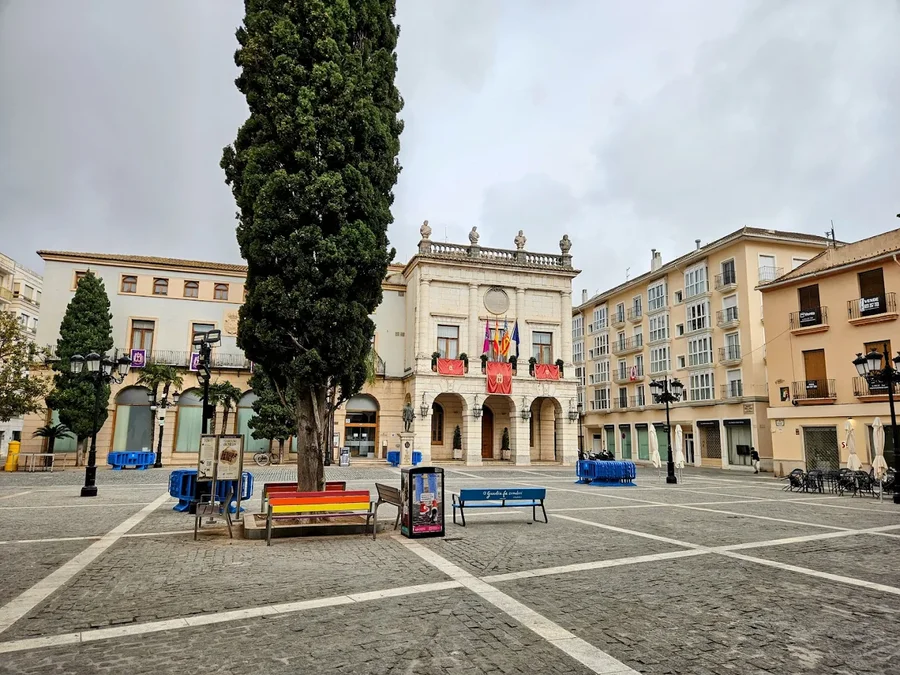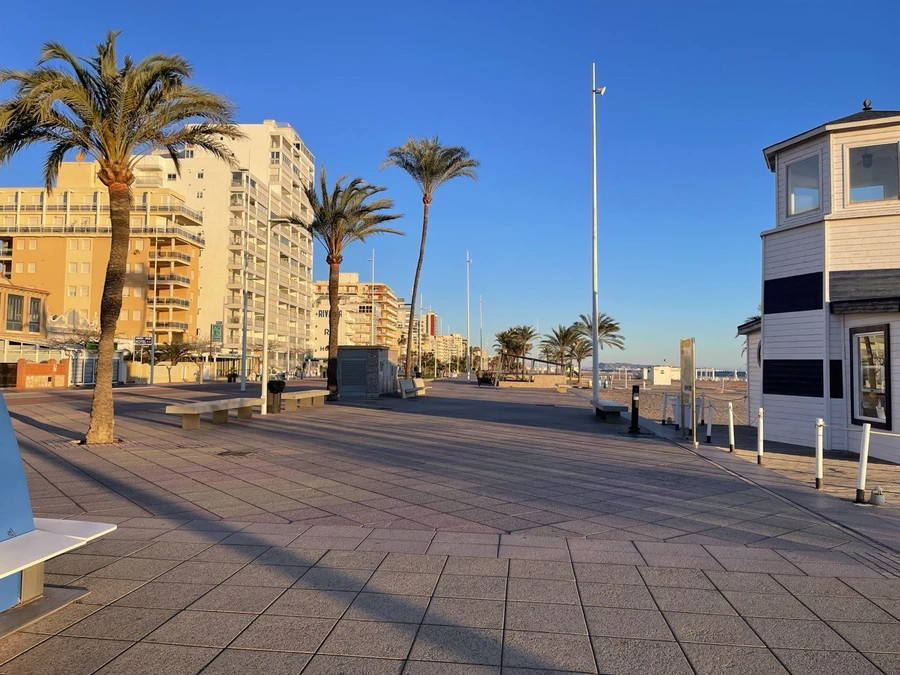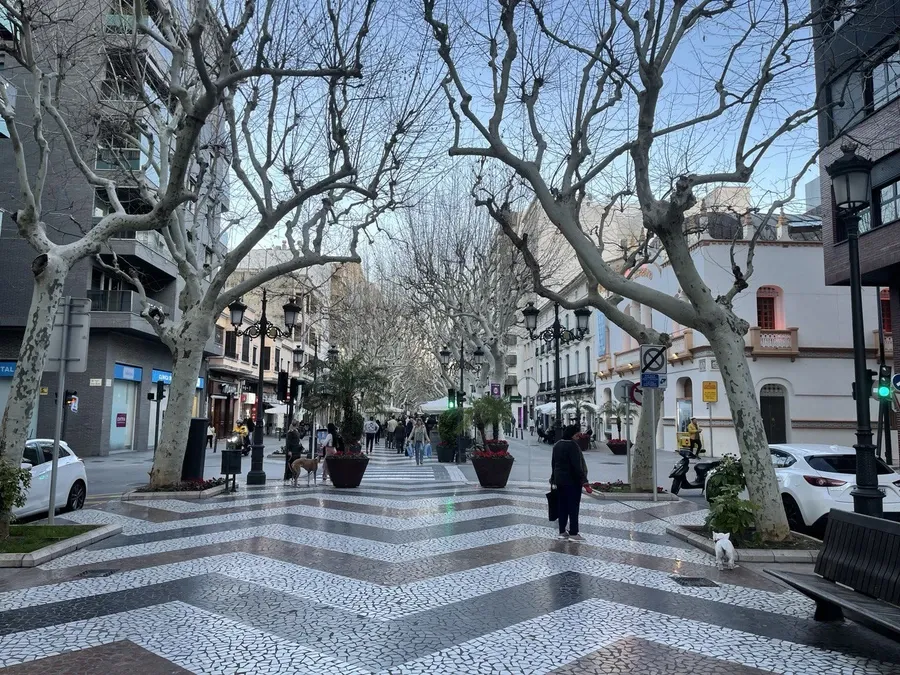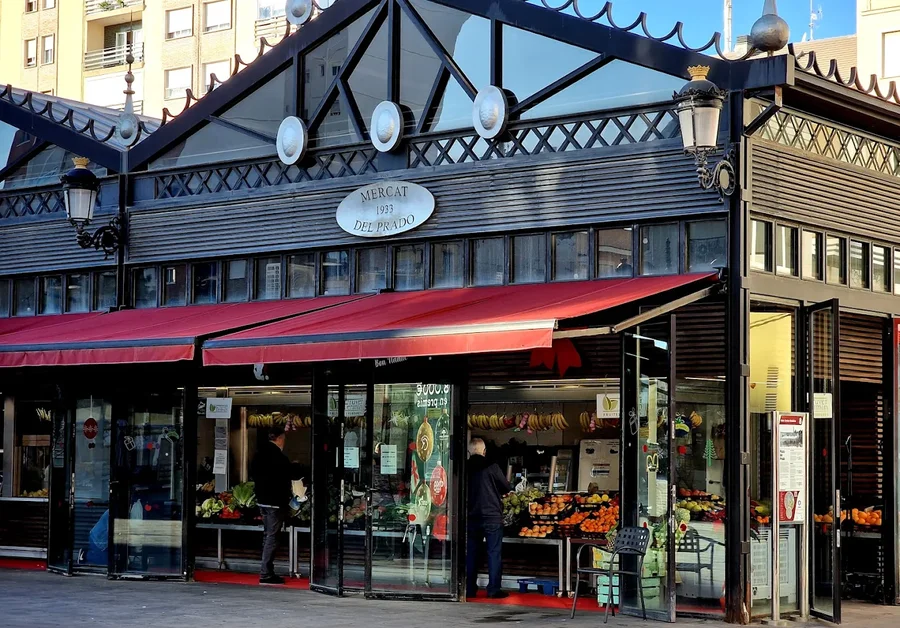

Plaza del Prado is an essential stop in Gandia. By day, it is ideal for relaxing on a sunny terrace with a coffee, and by night it becomes one of the locals’ favourite meeting points for a drink.
Whether you love history, are a foodie looking for authentic flavours or simply want to experience Valencian urban life, Plaza del Prado is very likely to win you over.
A Little History
The history of Plaza del Prado is fascinating and goes back to the end of the 19th century, around 1880. At that time, Gandia was expanding from a small medieval town into an emerging city.
With the demolition of the old medieval walls, the city needed new urban spaces. This is where Mayor Jose Rausell Ribas, or Josep in Valencian, enters the story.
Rausell owned some land in a meadow near the old wall, but the town council did not have the funds needed to buy it.
The Legend of Rausell’s Tree
This is where the legend of “Rausell’s tree” begins. In a gesture of generosity, the mayor decided to donate the land to the city on one unusual condition: a cypress tree in the square had to be preserved.
If the tree disappeared, the land would return to the Rausell family or their descendants.
Although the original cypress no longer exists, its remains have been preserved in a creative way.
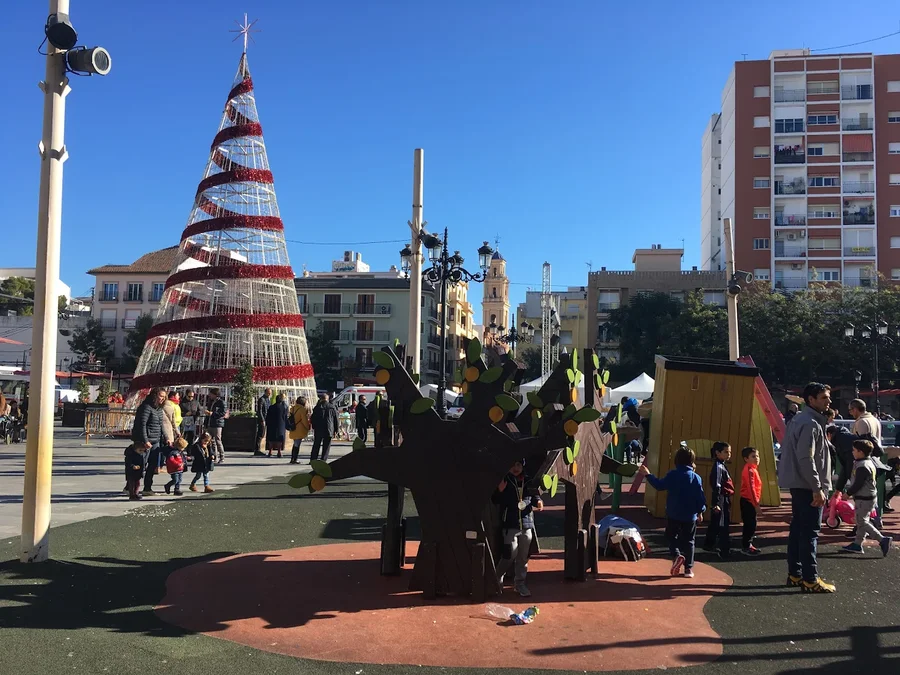
If you visit the square, you can see how rocks and other structures support what remains of the trunk of the famous “Rausell tree”, a silent testimony to the origins of this public space.
How to Get There
Getting to Plaza del Prado is easy, thanks to its central location in Gandia. If you walk from the station, I recommend following a circular route:
-
Start along Paseo de las Germanias.
-
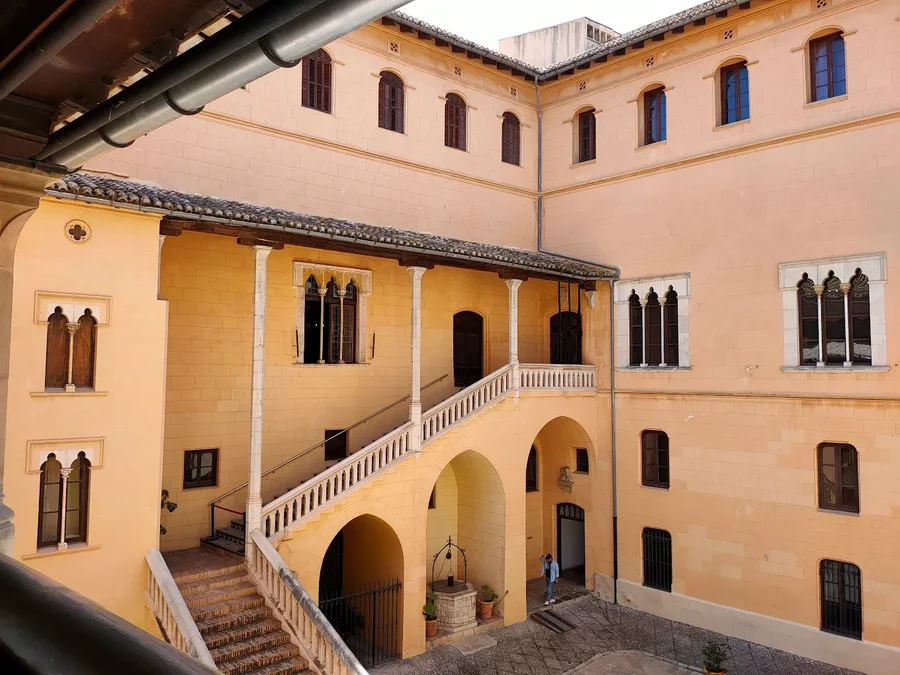
Visit Casa de la Marquesa.
-
Reach El Prado through the garden of Casa de la Marquesa or via Calle Rausell.
If you prefer public transport:
-
La Marina bus has nearby stops on Calle Dr. Fleming or opposite Pasaje Lombard.
-
L’Urbanet line 3 leaves you at Plaza de San Jose, from where you can easily reach El Prado.
My personal advice, though, is to go on foot. Gandia is a city made for slow walking, and strolling lets you discover charming corners along the way.
Plaza del Prado Today
What makes Plaza del Prado so special? First of all, its size. It is Gandia’s largest square, which makes it a natural meeting point and a perfect setting for all kinds of events.
Food and Leisure
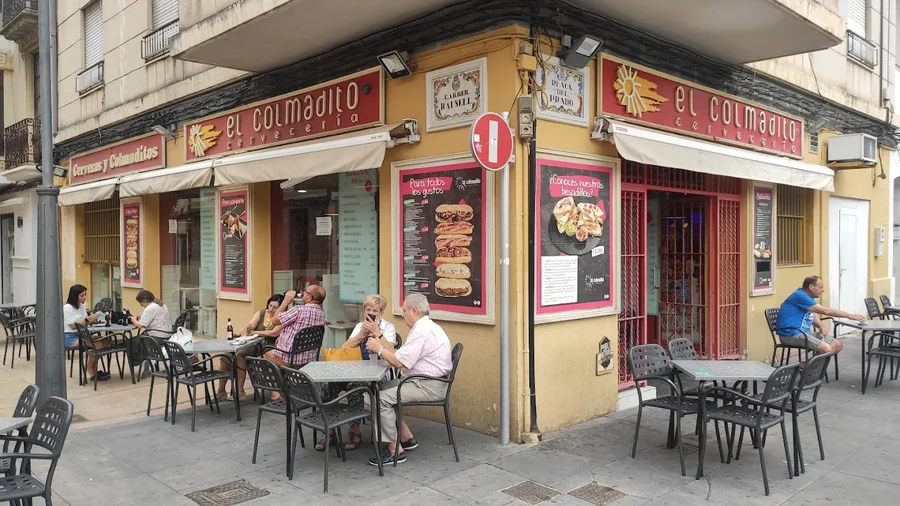
The square is surrounded by bars and restaurants, making it one of the best places to eat in Gandia.
The Market That Never Was
In 2007, the square underwent a major remodelling that included the construction of an underground car park and a structure initially intended as a market.
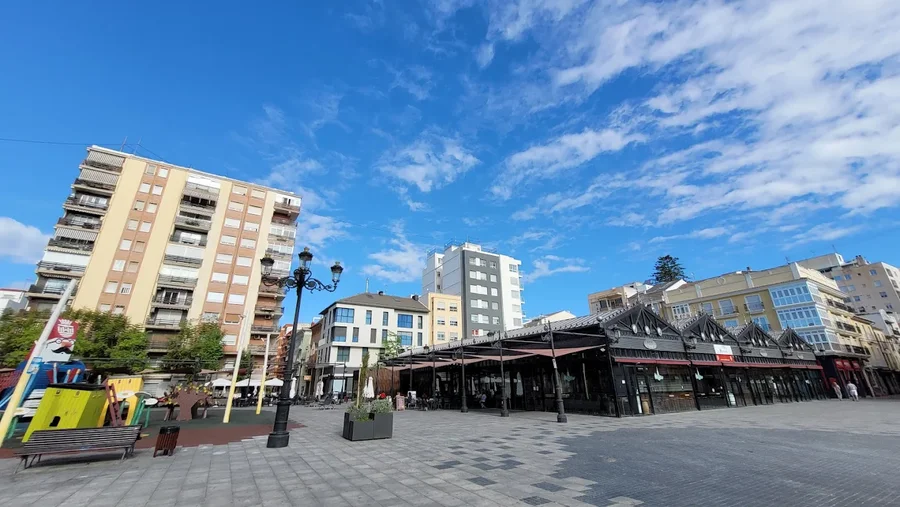
However, the plans did not turn out as expected. After a second remodelling in 2014, the space ended up becoming a Mas y Mas supermarket rather than a traditional market.
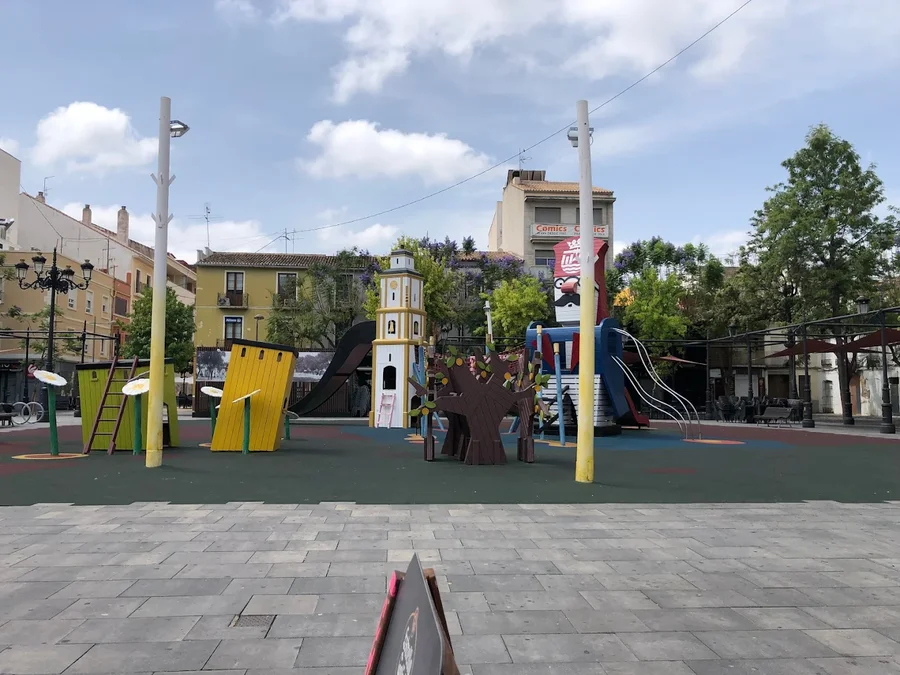
A Children’s Playground
There is a slide shaped like the Collegiate Church and a swing representing the “Tio de la Porra”, a local folkloric figure.
Nightlife and Festivities
In recent years, El Prado and its surroundings have become Gandia’s new nightlife hub, taking over from the beach.
Although this has revitalised the area, it has also created some controversy among residents because of the noise.
The square also hosts important celebrations:
-
During the Fallas, the Falla del Prado is usually the winning falla and the last one to burn.
-
In winter, an ice-skating rink is installed.
-
On New Year’s Eve, it is the main place to welcome the New Year in Gandia.
The Civil War Shelter
One of the most interesting discoveries during the 2007 remodelling was an old Civil War shelter.
Today, you can visit it by going down to the second level of the car park.
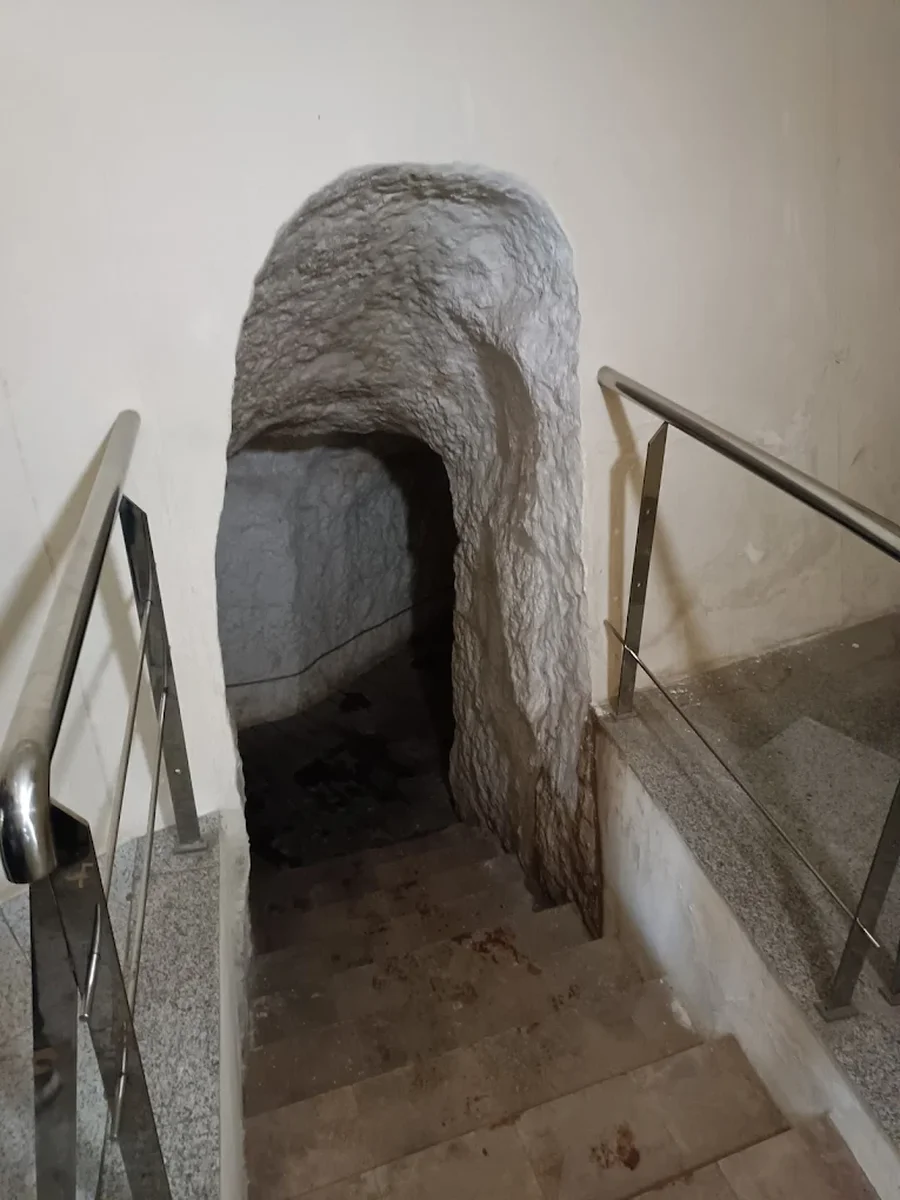
There you will find part of the shelter tunnel and explanatory panels that take you back to one of the most dramatic episodes in Spain’s recent history.
The Square’s Names
Like many public spaces in Spain, Plaza del Prado has witnessed the country’s political shifts, reflected in its name changes:
-
Initially, it is believed to have been named after Vicente Blasco Ibanez, the famous Valencian writer and political figure.
-
During Francoism, it was renamed Plaza de Jose Antonio Primo de Rivera, in honour of the founder of the Falange.
-
With the arrival of democracy, it recovered its popular name: Plaza del Prado.
These name changes are a small reflection of 20th-century Spanish history and the country’s political and social transformations.
Final Thoughts
Next time you visit Gandia, make sure you spend some time in Plaza del Prado. Explore its corners, enjoy its atmosphere and do not forget to go down to the car park to discover the Civil War shelter.