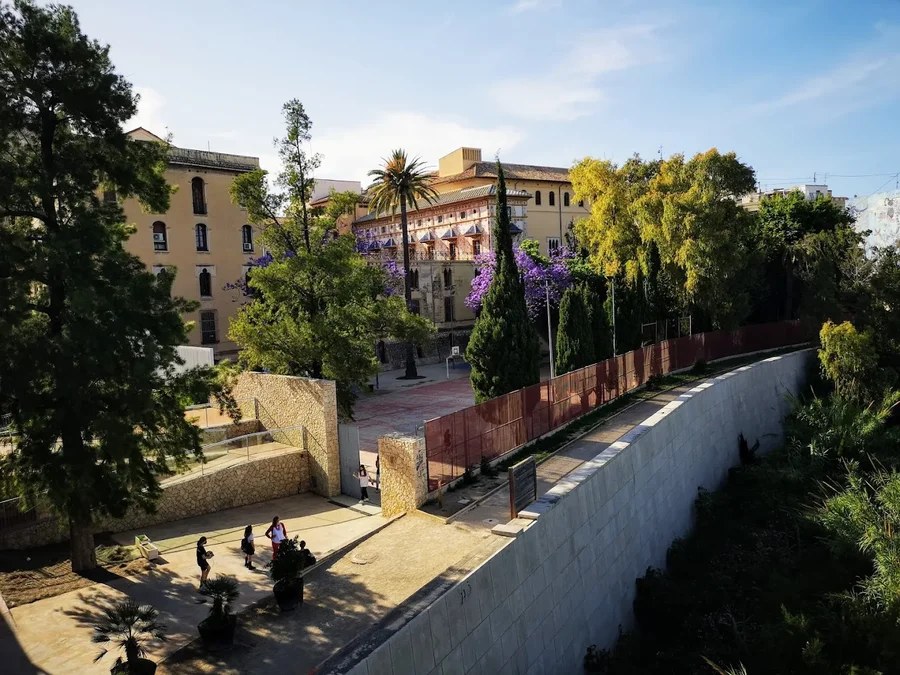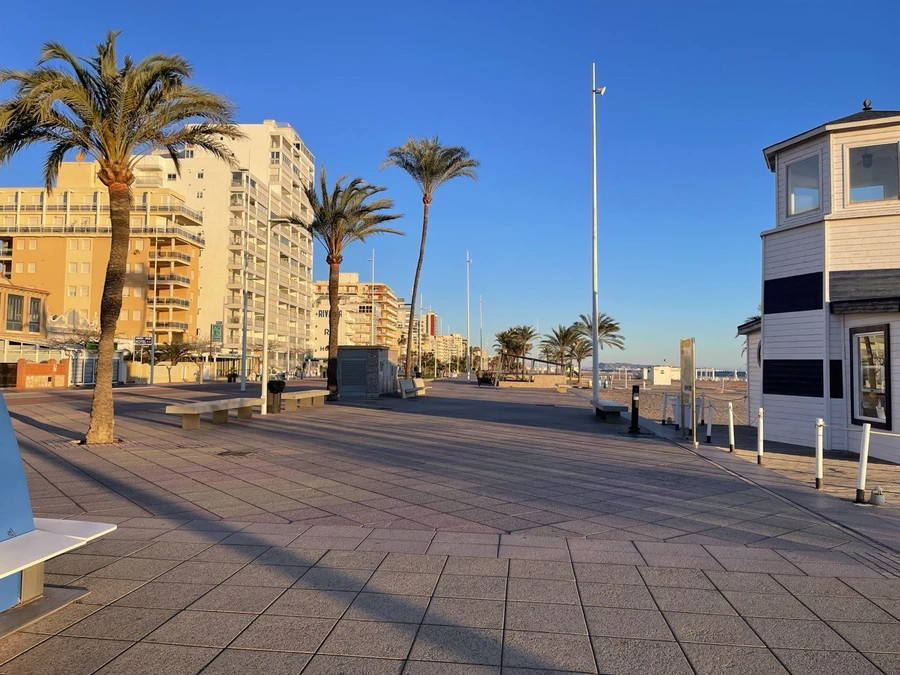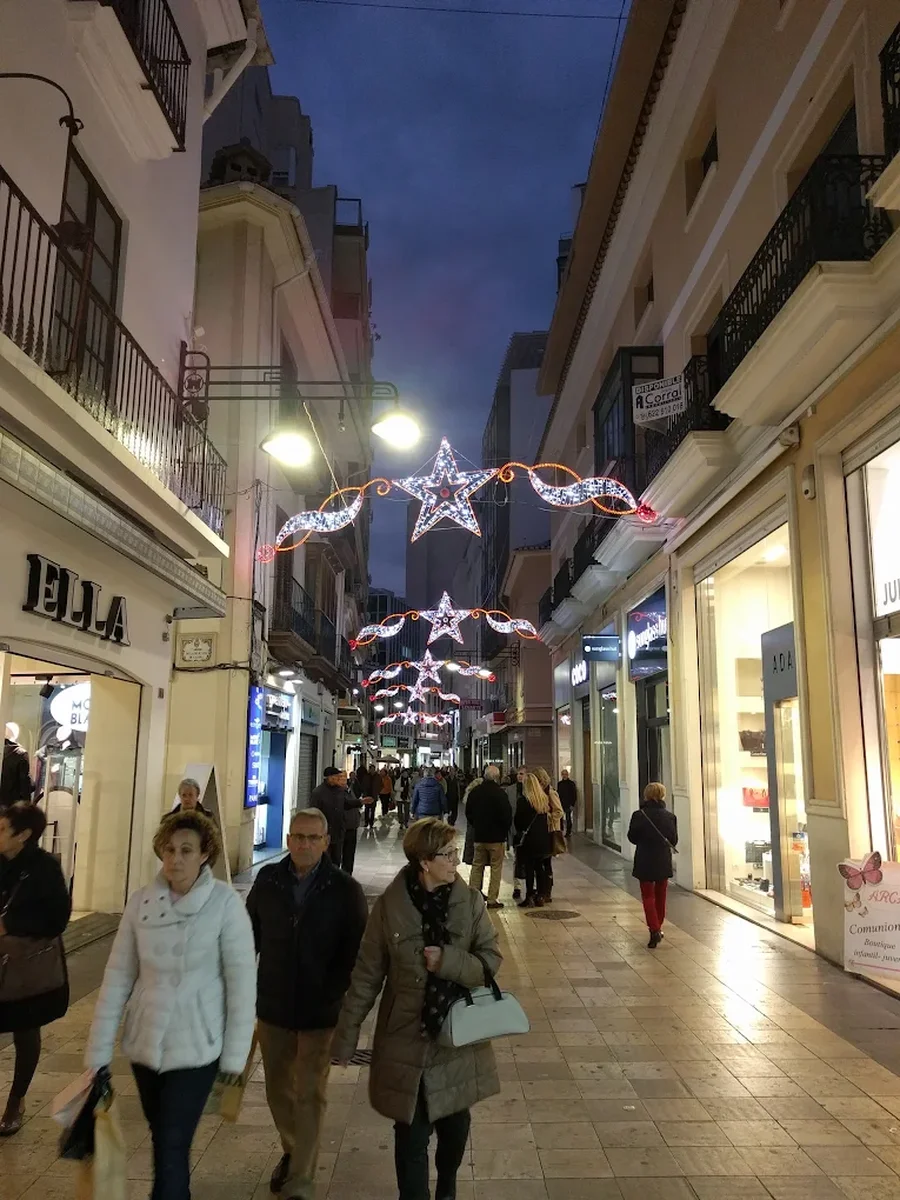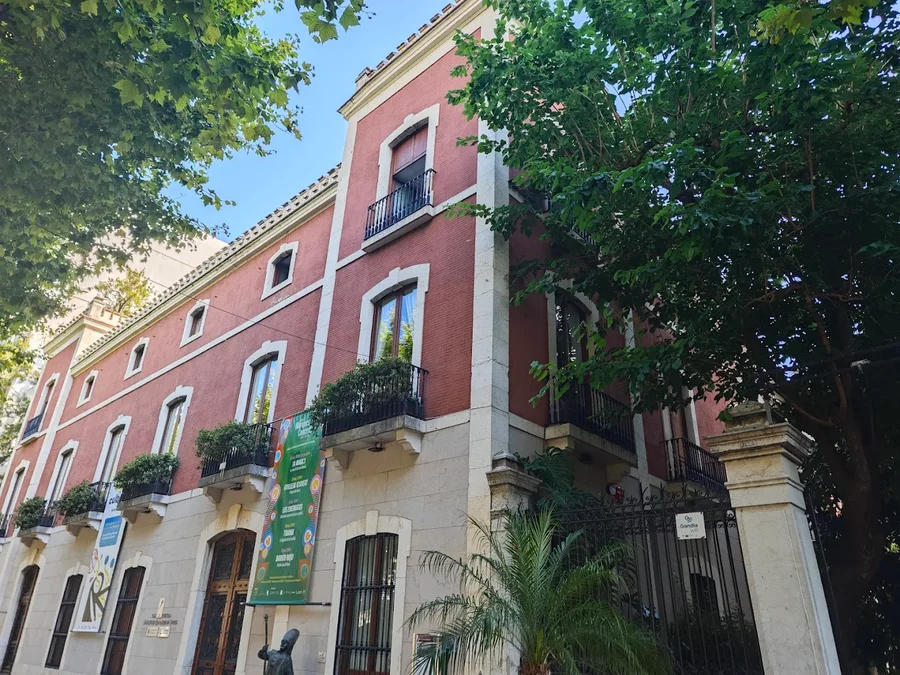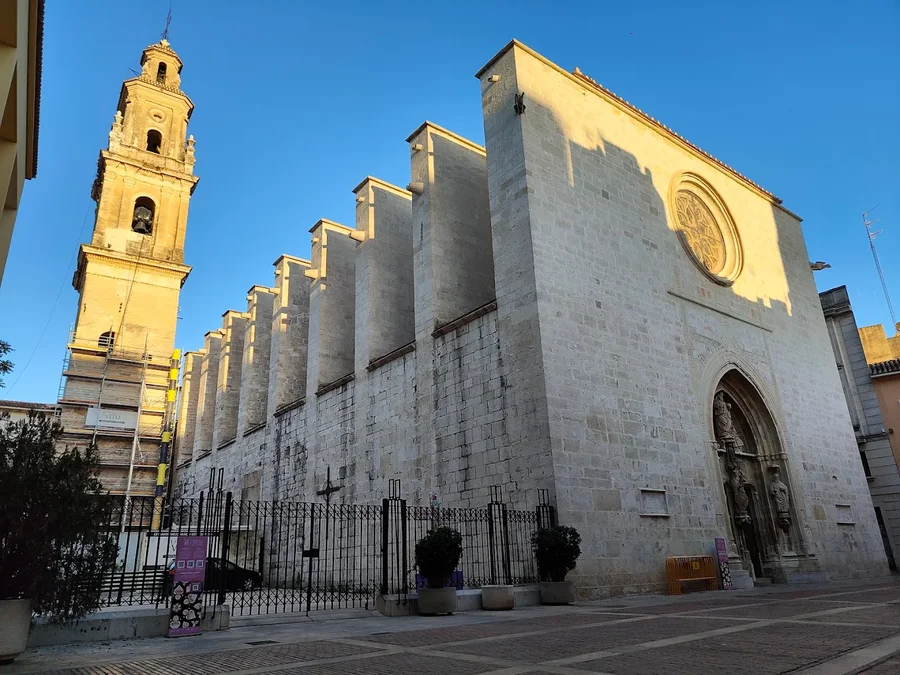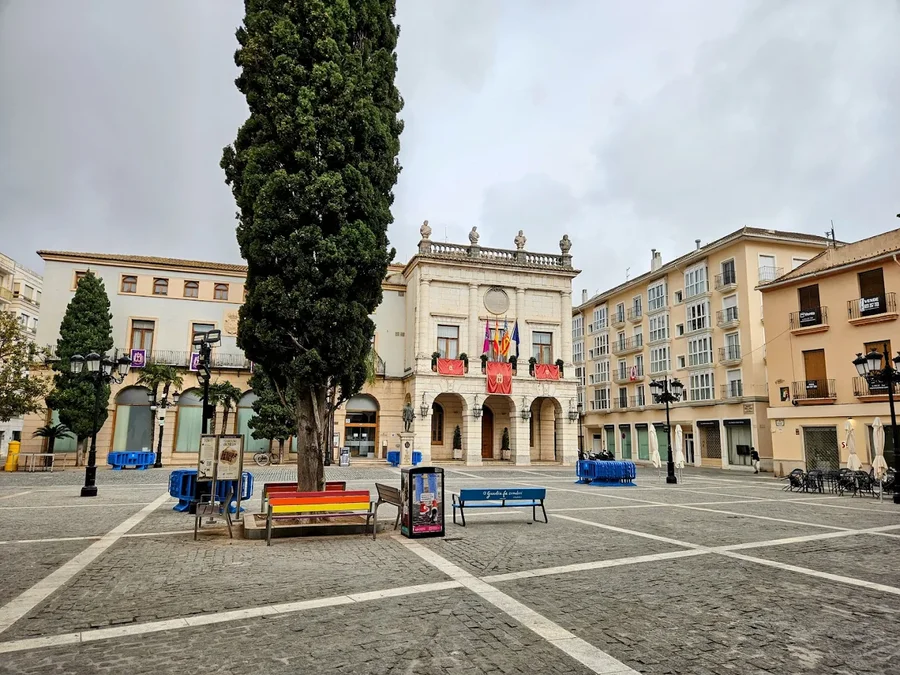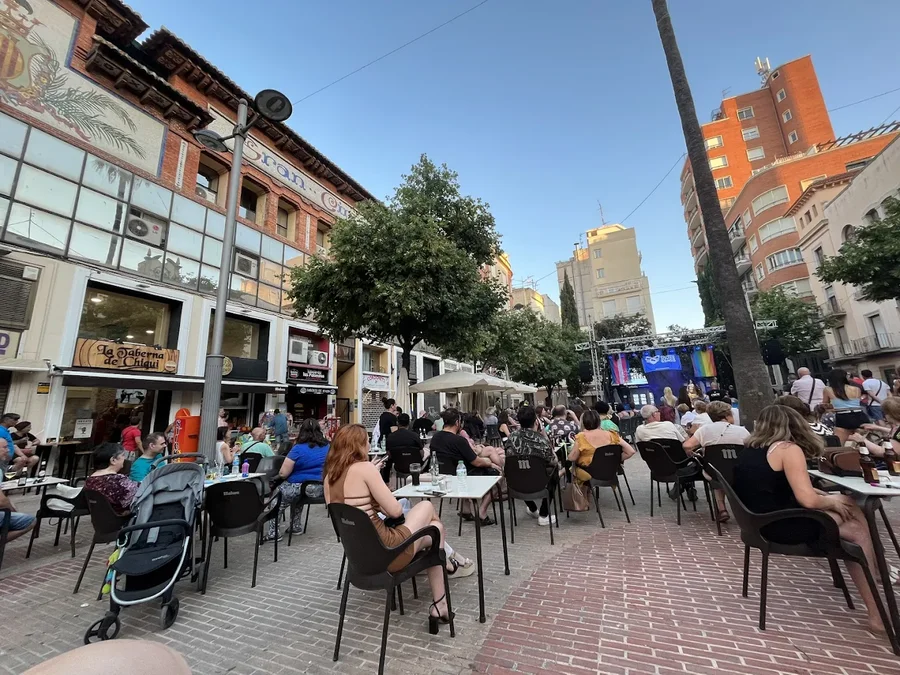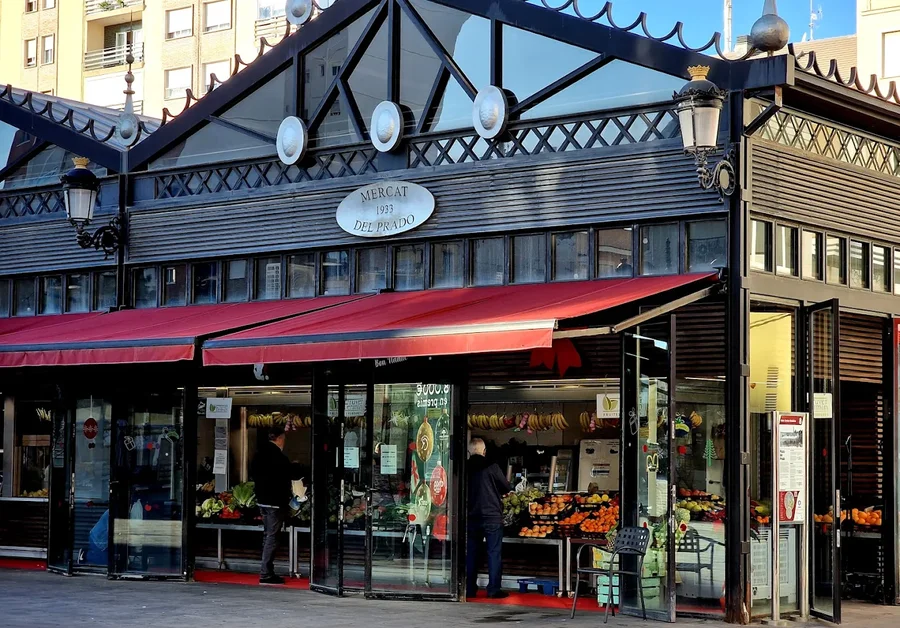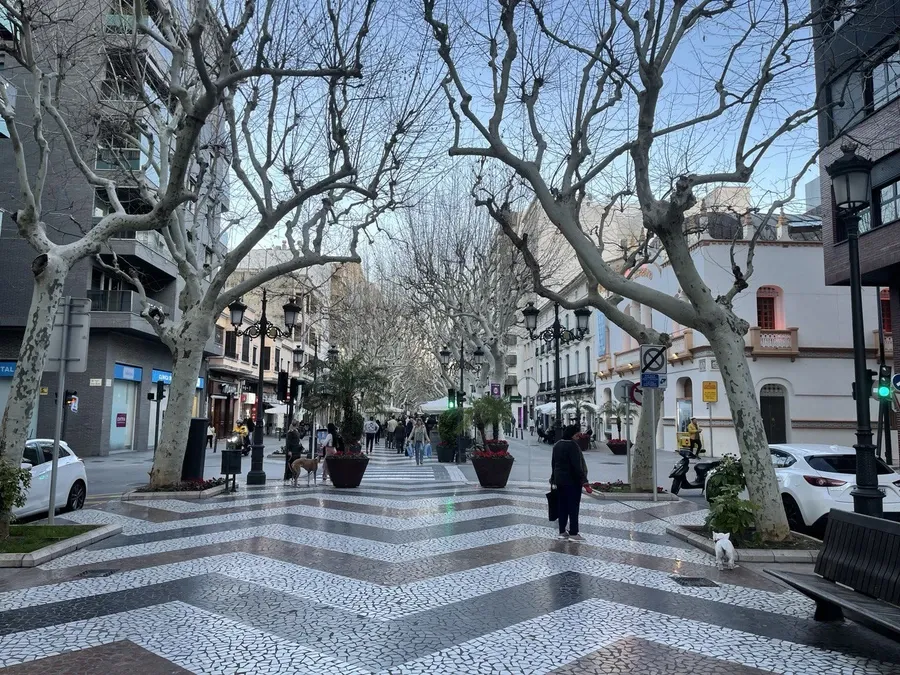

The Paseo de las Germanias, known simply as “the Paseo” by locals, is the beating heart of Gandia.
In this article, I will guide you through the secrets and charm of this unique promenade. You will discover what to do if this is your first time visiting the city.
From Francoism to Democracy
Like many places in Spain, Paseo de las Germanias did not escape the political swings of the 20th century. During the Franco period, it was renamed Paseo de Luis Belda, in honour of a general of the regime.
It was not the only change in the city: the Town Hall square and El Prado also had their names altered during that period.
With the arrival of democracy, the promenade recovered its original name, in a symbolic act of reconciliation with history.
The cross erected in honour of those who fell on the Francoist side was demolished in the early years of the transition, marking the end of one era and the beginning of another.
How to Get There
Because it is so long, reaching Paseo de las Germanias can mean different things depending on the section you want to visit. If we mean the beginning of the promenade, access is easy from several central streets:
-
Crossing Calle Francisco de Borja.
-
Passing through Plaza de los Palomitos.
-
Via Calle Mayor.
-
From the street where the Ducal Palace is located.
For those who prefer to move around by car, there is a free car park right opposite the Paseo. You only need to cross a bridge and you are in the heart of the avenue.
If you choose public transport, you have several options:
-
La Marina has a stop near Francisco de Borja Hospital.
-
L’Urbanet, with lines 3, 4 and 5, runs along different sections of the Paseo.
A Walk Along the Paseo
The Beginning: Banking and Commerce
The Paseo begins opposite the Serpis footbridge, also known as Puente de la Feria.
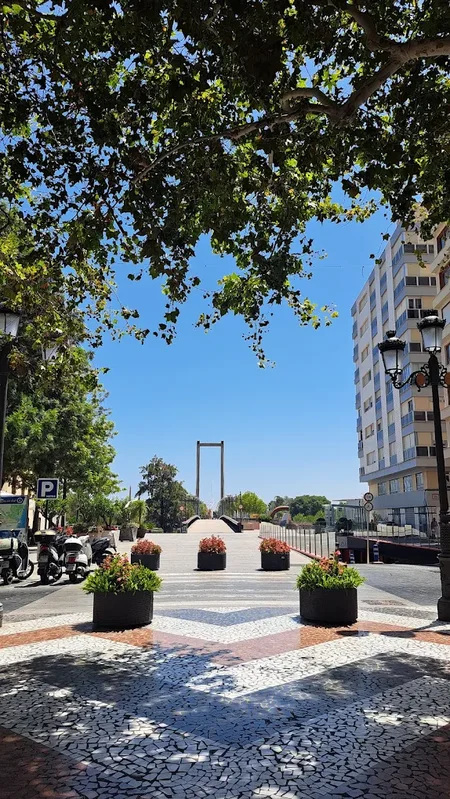
In this first section, you will find a concentration of banks. BBVA, Banco Santander, La Caixa… they all have branches here.
Historic and Cultural Crossroads
As you move forward, you will come across several important intersections:
-
Calle Alfonso el Viejo will take you to the Ducal Palace.
-
Farther along, a small fountain marks the intersection with Calle Mayor, Gandia’s commercial heart.
-
On the left, do not miss Casa de la Marquesa, one of the most beautiful buildings on the Paseo.
-
Calle Francisco de Borja, on the right, leads to two semi-private schools and the modernist Foment building.
Culture and Entertainment
Continuing along the promenade, you reach an important intersection where the Teatro Serrano, the city’s most important theatre, is located.
Built in 1900 as a circus theatre, it adopted its current name in 1912 in honour of the Valencian musician Jose Serrano, composer of the regional anthem.
Plaza del Cristo Rey and Beyond
Plaza del Cristo Rey marks another milestone on the route. Here you will find the “old” Ausias March high school, named after the famous Valencian poet.
The End of the Paseo
After passing the former Francisco de Borja Hospital, you reach the final part of the Paseo.
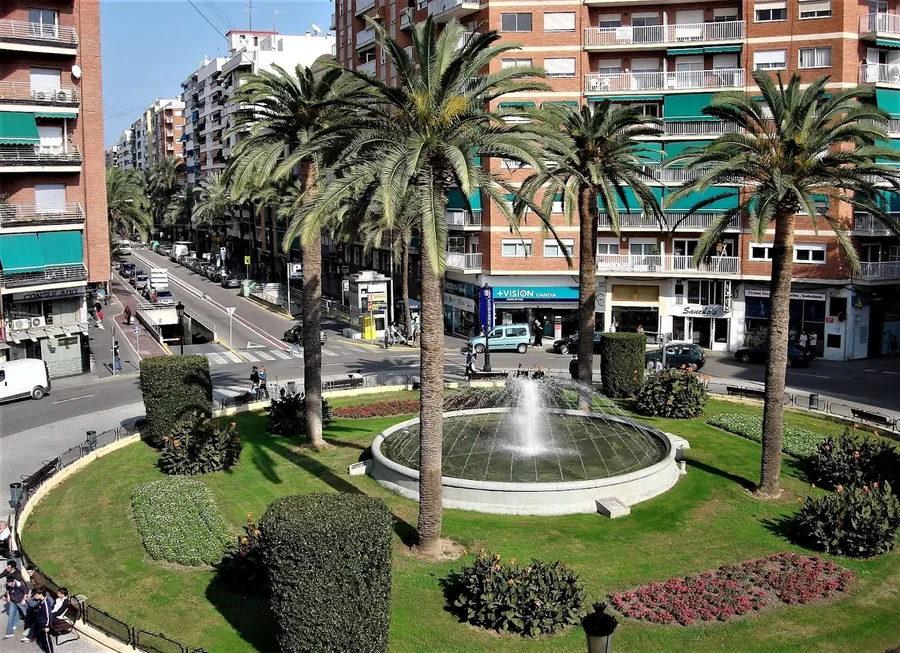
The Paseo ends with a large fountain and an open space that young people have adopted for skateboarding and other urban sports.
If you are visiting as a tourist, the section from the beginning to Plaza del Cristo Rey is especially recommended.
This is where you will find the most emblematic buildings and connections to other points of interest, such as Casa de la Marquesa, El Prado and the Church of San Jose.